
Table of Contents

Los Santos
Pablo Barrios Wildlife Refuge
Of all the protected areas in Panama, this is the closest to us. The Pablo Barrios Wildlife Refuge is basically Playa Arenal, one of the two beaches in Pedasi. It is located right in front of Isla Iguana. In this place you can find diverse ecosystems such as beach, dunes, mangroves and swamps. It is also an important place for turtle nesting that is managed by the NGO Tortugas Pedasi.
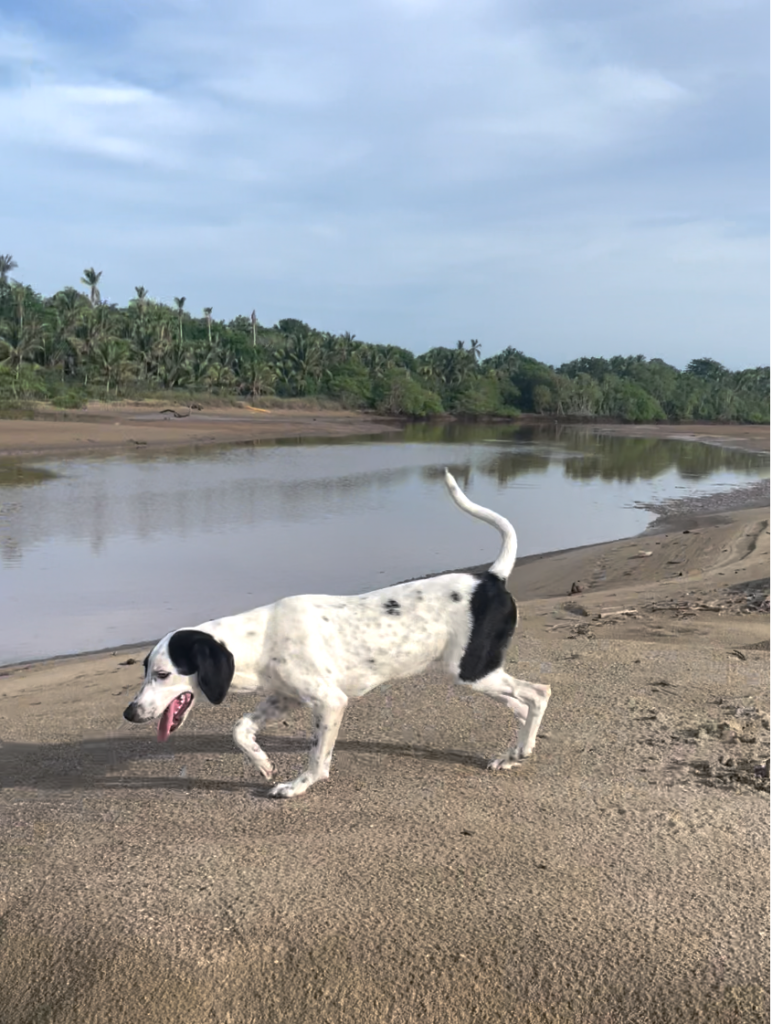
This refuge dates back to 1981 with a community struggle to protect resources. Pablo Arturo Barrios was an environmentalist from Pedasí who died in 1992. This protected area of Los Santos has a little more than 15 hectares, bordering the Purio River to the north, Isla Iguana to the east, Punta Mala to the south and the municipalities of Purio, Mariabe and Pedasi to the west.
Iguana Island Wildlife Refuge
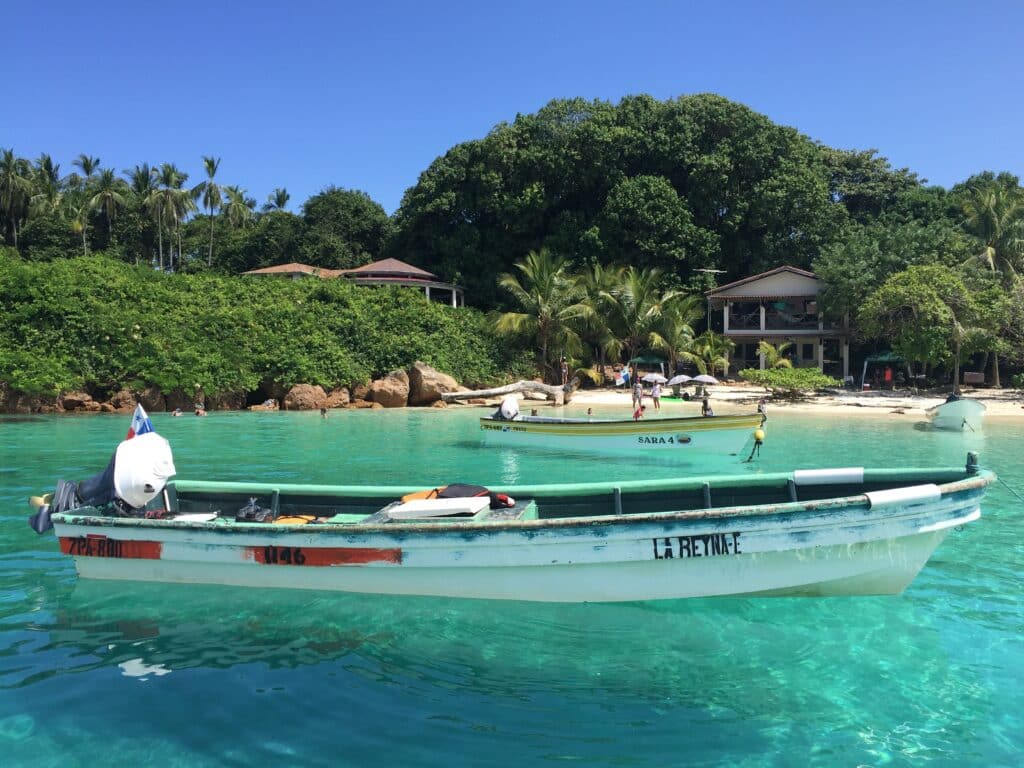
The Isla Iguana wildlife refuge is one of the most beautiful protected areas in Panama. This island is one of the main tourist attractions in Pedasi. The refuge was created in 1981. A total of 53 hectares make up this protected area, of which 40 hectares are corals and 13 are on the island itself.
Tour a Isla Iguana
El tour a Isla Iguana está disponible todos los días, excepto algunos días de verano cuando hay mucho viento. Por favor, contáctenos antes de reservar de enero a abril a ur****@***************up.com o al +507 6448 5560. … Read More
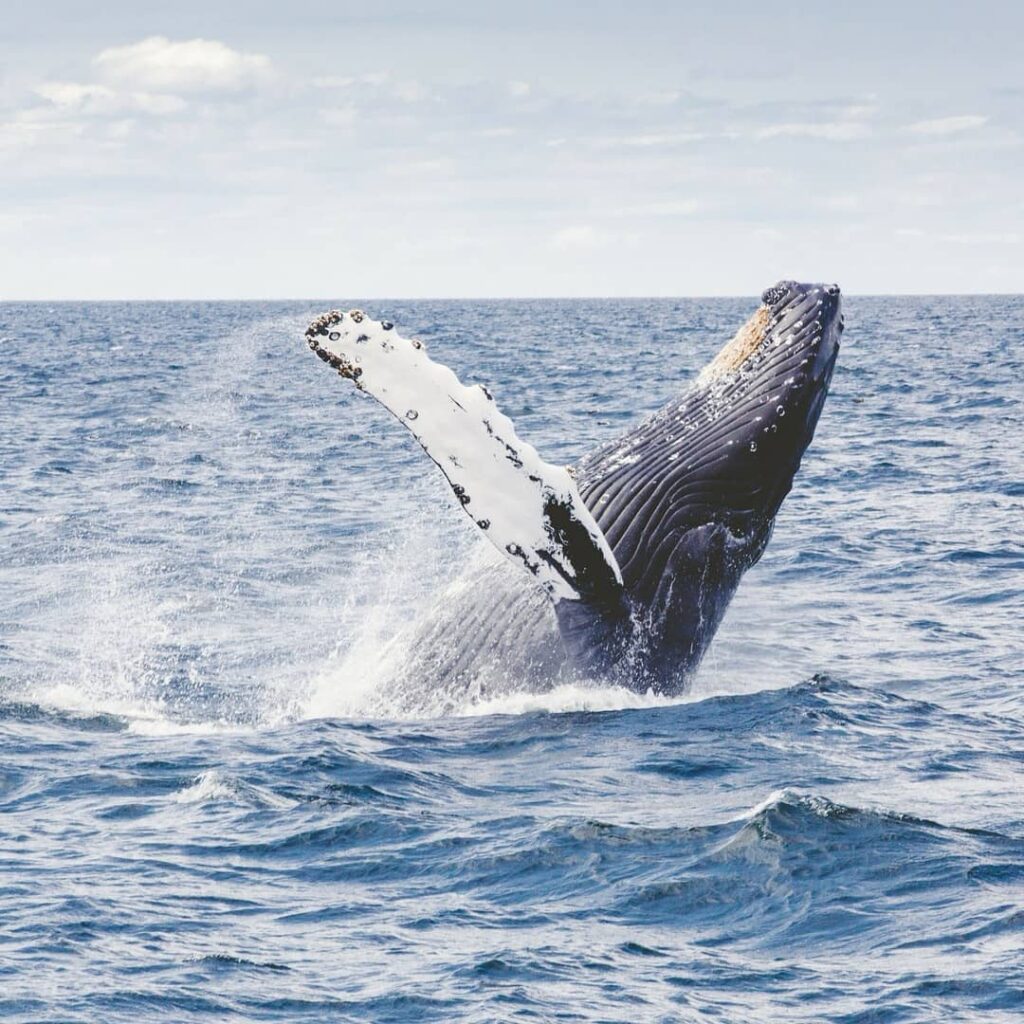
Visitors can go scuba diving (currently there is no scuba diving option but it is possible) or snorkeling by renting equipment on the island or from the tour operator. There are 347 species of fish and 17 species of coral. It is possible to see octopus, moray eels, dolphins, turtles (five species go to spawn on the island) and whales. The visit to the island can be combined with a whale watching tour in Pedasi from June or July to October.
Whale watching tour in Pedasi
Whale watching tour in Pedasi is available ONLY from June or July (depending on when the whales arrive) to the 15 of October. Private tours can be booked any day. Please contact us for the dates of the shared guided tours. Our contact information is ur****@***************up.com or +507 6448 5560. … Read More
Cañas Island Wildlife Refuge
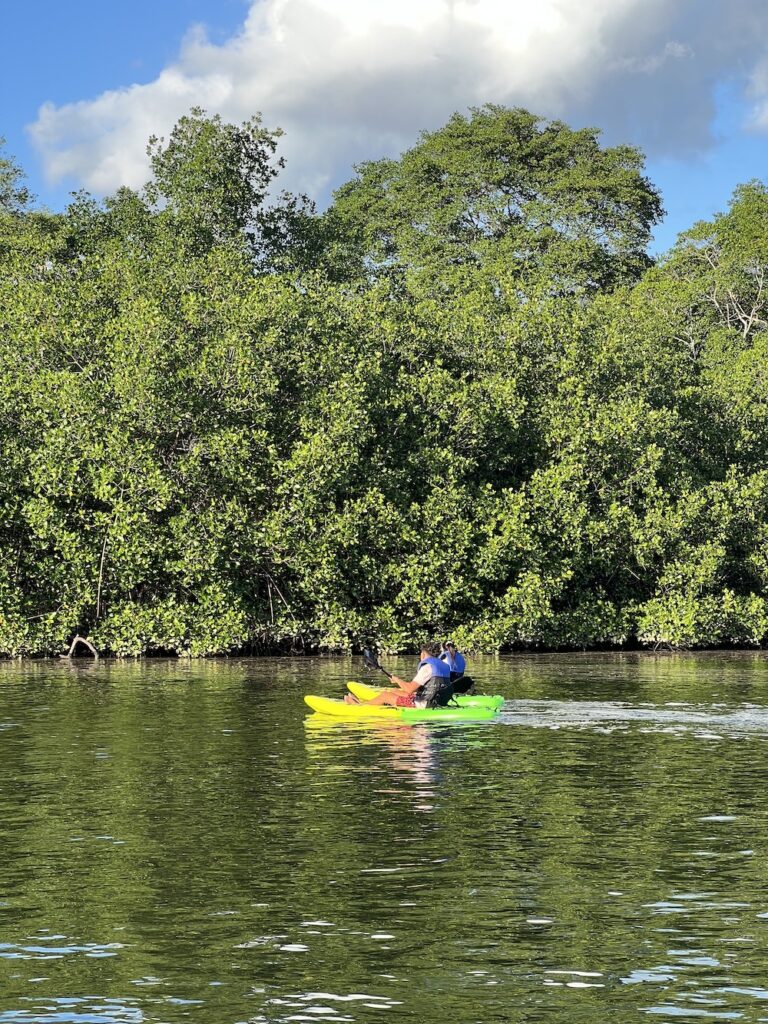
The Isla Cañas wildlife refuge is located in the district of Tonosí, passing by Playa Venao. Some of the protected areas in Panama are of tourist interest, including Isla Cañas. With an area of 832.5 hectares, this island represents an important place for mangroves. The mangrove forest found in the area is the largest in the province of Los Santos with about 1,200 hectares. Red mangroves (Rhizophora mangle), white mangroves (Laguncularia racemosa) and black mangroves (Avicenia nitida) help the reproduction of species including shrimp, lobster, snapper, shark, among others. You can take a mangrove tour on Isla Cañas.
A 13-kilometer-long beach serves as a nesting ground for some 10,000 turtles from June to November. The olive ridley turtle (Lepidochelys olivacea) arrives in droves, causing what is known as arribadas. This wildlife refuge in Panama is also used by the hawksbill, loggerhead, leatherback and green turtles for nesting. It is possible to take a turtle tour on Isla Cañas.
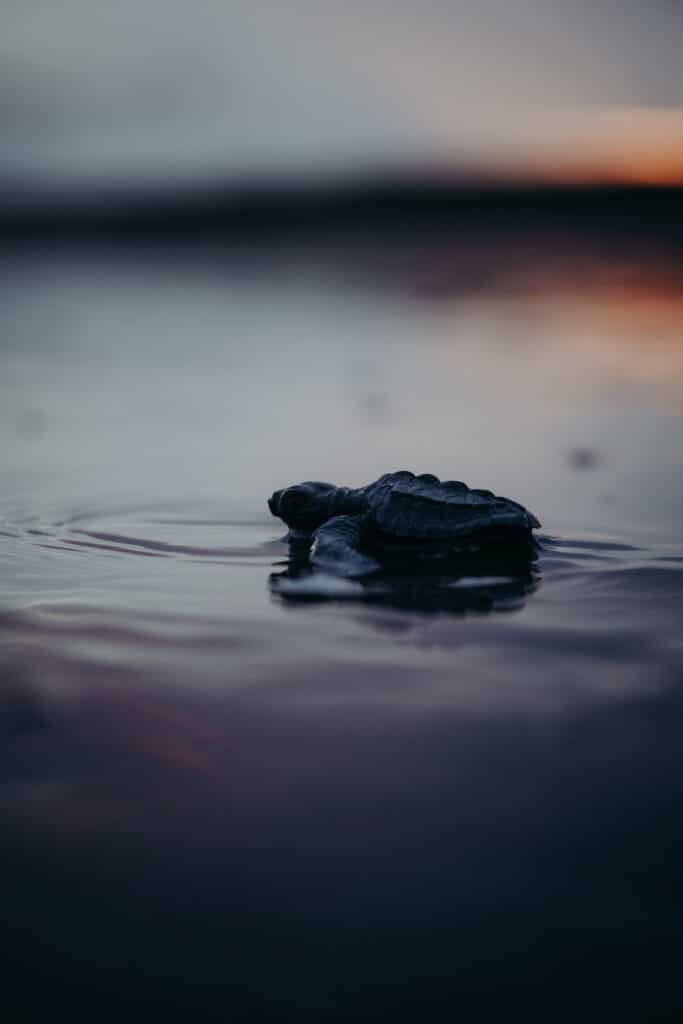
Turtle Night Tour in Isla Cañas
The Isla Cañas Turtle Night Tour is available ONLY from the 1 of July to the 15 of December. Transportation from Playa Venao or Pedasi can be arranged for an additional fee. Please contact ur****@***************up.com or +507-6448-5560 before booking. … Read More
Cerro Hoya National Park
On our list of protected areas in Panama we can mention the Cerro Hoya National Park which is located in Los Santos. Those who wish to visit this park must stay at a hotel in Cambutal. This national park was created in 1984. It has 32,557 hectares of which 23 thousand are forests, 4 thousand are marine area and 5,500 are intervened.
The Cerro Hoya National Park is of volcanic origin and is considered the oldest site in the isthmus. Its peak, Cerro Hoya, is 1559 meters high, being the highest in Azuero. It has 30 species of endemic plants, apart from several endemic animals such as the caratos parakeet. Other species that live in this Panamanian national park are jaguar, puma, jaguarundi, ocelot, cat solo, wild pig, red-faced monkey, howler monkey, etc.
You can visit Cerro Hoya National Park for the day or take a four-day expedition that includes climbing Cerro Pirri. This expedition is only available from December to May.
La Tronosa Forest Reserve
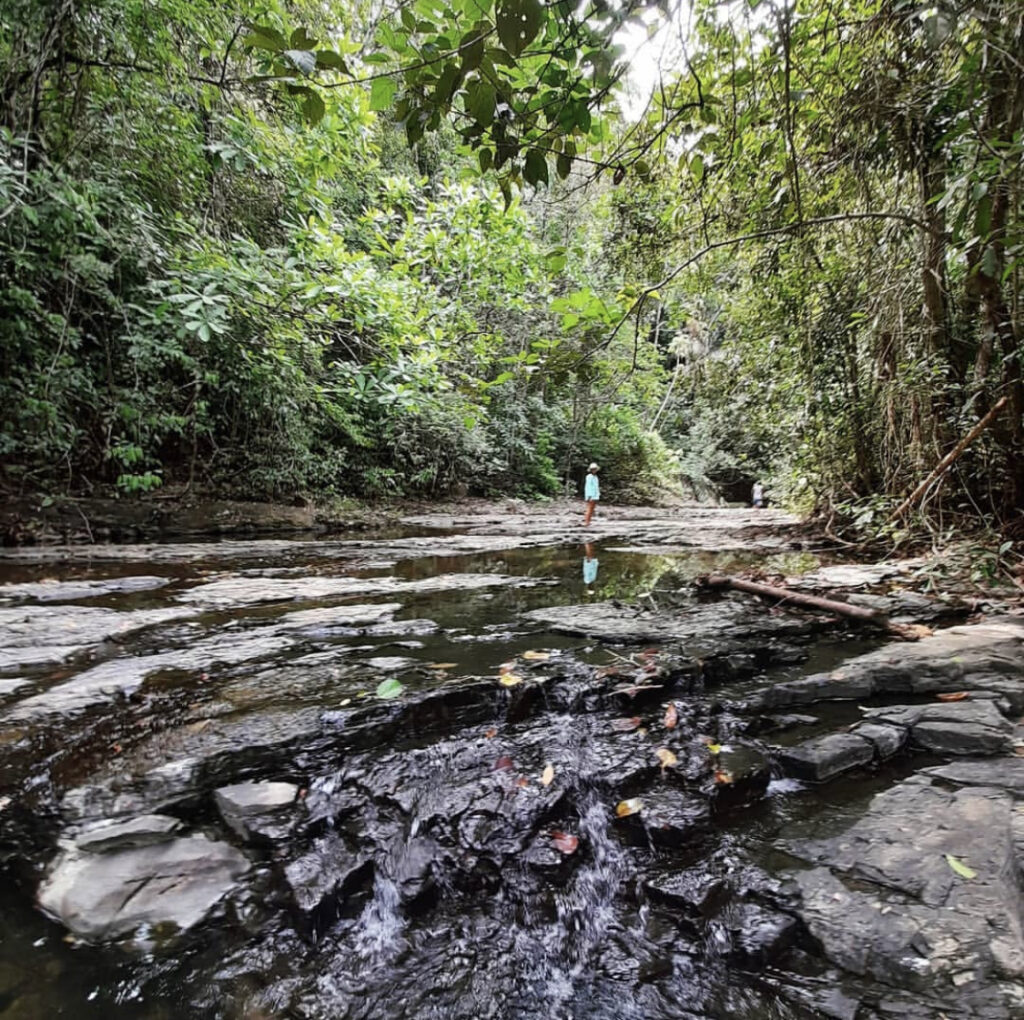
From the list of protected areas in Panama we can include the La Tronosa Forest Reserve in the district of Tonosí. It is located just 5 kilometers from Tonosí with a surface area of 20,579 hectares. Its location is made up of four districts: La Tronosa, El Bebedero, Guanico, and El Cortezo. Cerro La Tronosa is the highest part with humid tropical forests at the top of the mountain range.
This reserve, like the El Montuoso Forest Reserve, is of great hydric importance, since it maintains many streams that flow down to the Jobero and Tonosí rivers allowing agricultural and livestock activity, which is the main source of income in the Tonosí Valley. The area has 426 species of animals and 179 species of trees according to a study done by the University of Panama.
El Peñón de la Honda Wildlife Refuge
Another place on the list of protected areas in Panama in Los Santos is the El Peñón de la Honda Wildlife Refuge, which was a citizen initiative. The Los Santos District declared this area a wildlife refuge in 1982. The El Peñón de la Honda Wildlife Refuge has colonies of aquatic birds unique to the northeast of the Azuero Peninsula. Sadly, it was devastated during World War II when it was used as a firing range by the United States Army.
Just after La Villa De los Santos lies this refuge with an area of 2,367 hectares. A second municipal agreement extended the protected coastal strip from La Honda beach to the port of Los Guayaberos in El Rompio, Santa Ana district. This refuge is a rock islet, known as the Piedra de El Farallon, and has an area of four hectares. In addition to wetland systems with estuaries, mangroves and coastal dunes.
Herrera
Macanas Swamp
The first on the list of protected areas in Panama located in Herrera is Las Macanas Swamp, as it is located in Rincon de Santa Maria just seven kilometers from the Divisa crossing. This is the largest submerged wetland in the central provinces with 1,200 hectares and an average depth of 1.6 meters. Macana is a fish that lives in the lake that has been fished by humans for more than 8,000 years. This swamp has been protected since 1996.
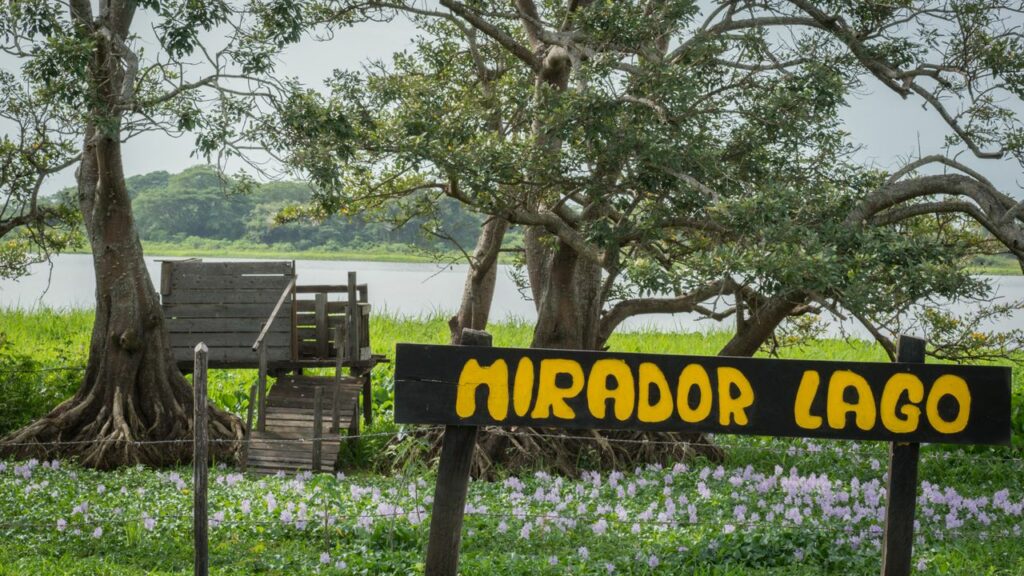
Agroturistica Las Macanas is a 5.5 hectare farm attached to the swamp that offers ecotourism and bird watching options. In summer, migratory birds arrive. Some 126 species of birds have been identified in the wetland. The snail-eating hawk is a unique species in the swamp as it feeds on snails that were introduced into the lake. Other species can also be seen such as the brown wichiche, southern term, wigeon, solitary sandpiper, caracara hawk, kingfisher, black ibis, green heron, common gallinule, bat falcon, roseate spoonbill, among others. Bird watching tours can be done by kayak to reach the island in the center.
Mangrove Swamp Wildlife Refuge
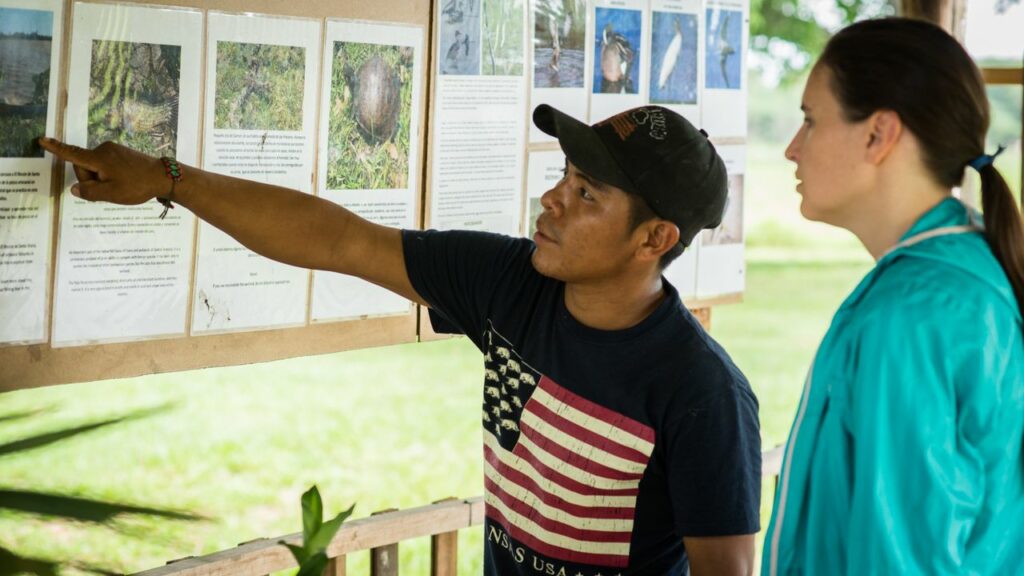
Another of Panama's protected areas located in Parita, Herrera, is the Mangrove Swamp Wildlife Refuge. Just 8 kilometers from the main road down Azuero is this refuge with an area of 1,000 hectares. As its name suggests, this area is made up of six species of mangrove including white mangrove (Laguncularia racemosa), black mangrove (Avicennia nitida) and red mangrove (Rhizophora mangle).
The Mangrove Swamp Wildlife Refuge is also known as "Ponedero de Garzas", as it is the main place where herons nest in the Pacific. It is a good place for bird watching in Panama with numerous local and migratory species including grey herons, white ibexes and cattle egrets. Near the reserve is the Cueva del Tigre, a prehistoric site inhabited 12 thousand years ago, and some hot springs.
Sarigua National Park
Of all the protected areas in Panama, this is the only one that is considered a desert. Sarigua National Park is located in the district of Parita in the province of Herrera. It has an area of 4729.74 formed by areas of albino, mangroves and coastal areas. This albino was created by deforestation made to create pastures, leaving acidic soils exposed to erosion caused by wind, rain and tidal flow. This park is located in the most arid region of Panama.
None of the protected areas in Panama have settlements as old as what is now Sarigua National Park. In this place archaeological traces were found that show a settlement of fishermen 11,000 years ago, making it the oldest site in the country. It was declared a national park in 1986.
Visiting Sarigua National Park does not take long, which is why it is on our list of 5 places to stop while driving from Panama City to Pedasi. There is an administrative headquarters of the Ministry of Environment and an interpretive trail for visitors.
El Montuoso Forest Reserve
The only one of the protected areas in Panama on this list with a temperate climate is the El Montuoso Forest Reserve. You go on the route to Pese to go up to Las Minas on a road that goes out to Ocu. You will arrive at the “highlands” of Herrera. This reserve was created in 1977 and is known as the lung of Herrera. With 12,043 hectares of mountain forest ecosystem, it is home to many species of animals including the painted rabbit, paisana, peacock, white-tailed deer, roe deer, ñeque, among others.
This reserve was created to preserve water quality, since four rivers originate in the El Montuoso Forest Reserve. The La Villa River is the main water source for the provinces of Los Santos and Herrera. In addition to the Tebario, Mariato and Suazy rivers. This area is very good for hiking with several marked trails. It is recommended to stay in a hotel in Chitre to have time to explore the El Montuoso Forest Reserve.
El Peñon del Cedro Wildlife Refuge in Los Pozos
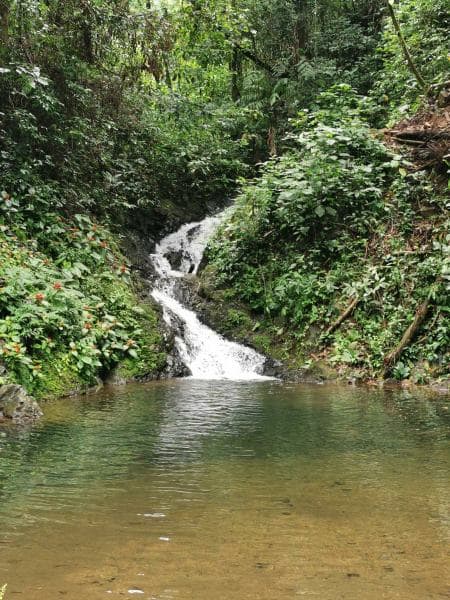
Located in the El Cedro district of Los Pozos de Herrera, the El Peñon del Cedro de Los Pozos Wildlife Refuge was declared a wildlife refuge by a municipal resolution in 1991. It covers an area of 30 hectares that includes the last mature forests in the province. A large number of wild species can be found here, including painted rabbits, cats, monkeys, deer and birds, including parrots, toucans, doves and parakeets. This is one of the least known protected areas in Panama.
Leave a Reply
You must be logged in to post a comment.