

Table of Contents
The Pedasi carnival is different from those in other parts of Panama because it's more relaxed. I didn't go to the Pedasi carnival when I was younger. When I was in high school and college, we always went to Penonome because my friends and my boyfriend had houses there. Those carnivals are more intense, although they do have a family component with their water carnival at Las Mendozas River. Back then, I could handle four days and nights of partying, but at forty, that's very difficult.
For more information, read: Where to celebrate Carnival in Panama?
What is the Pedasi Carnival like?
Those wishing to celebrate Carnival in Pedasi should book their accommodations well in advance, as the availability of hotels, hostels, and short-term rentals in and around Pedasi is limited. All places fill up quickly for the Pedasi Carnival. I remember one year, before I owned my farm, we couldn't find anywhere to stay and had to camp on the beach. It seemed like a good idea until the summer breeze tried to knock down our tents and crabs got into our camping tent. We soaked ourselves in the "mojaderas", which was the closest thing to a shower we had, and used the bathroom at the old Iguana restaurant in the town of Pedasi.
The Pedasi Carnival is distinguished from other carnivals in Azuero and Panama by its family-friendly atmosphere. The only similar carnival is in Ocu, but the scarcity of hotels there makes it difficult to attend. Therefore, going to the Ocu Carnival is only possible if you are staying with friends or family, or if you are staying in Santiago or Chitre and are only going for the day. However, driving under the influence of alcohol is not recommended, especially during Carnival, when there is a heavy police presence and accidents are frequent.
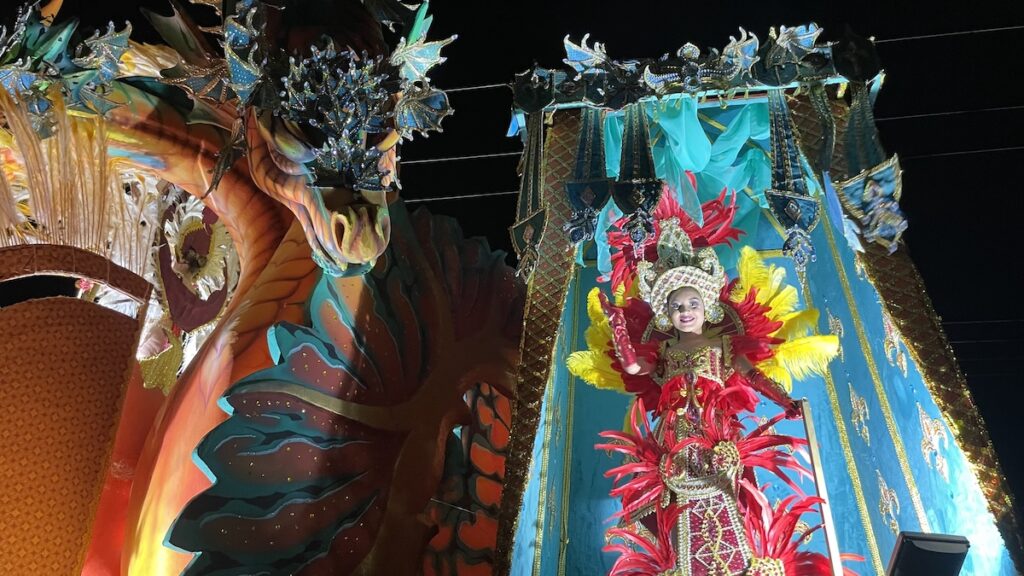
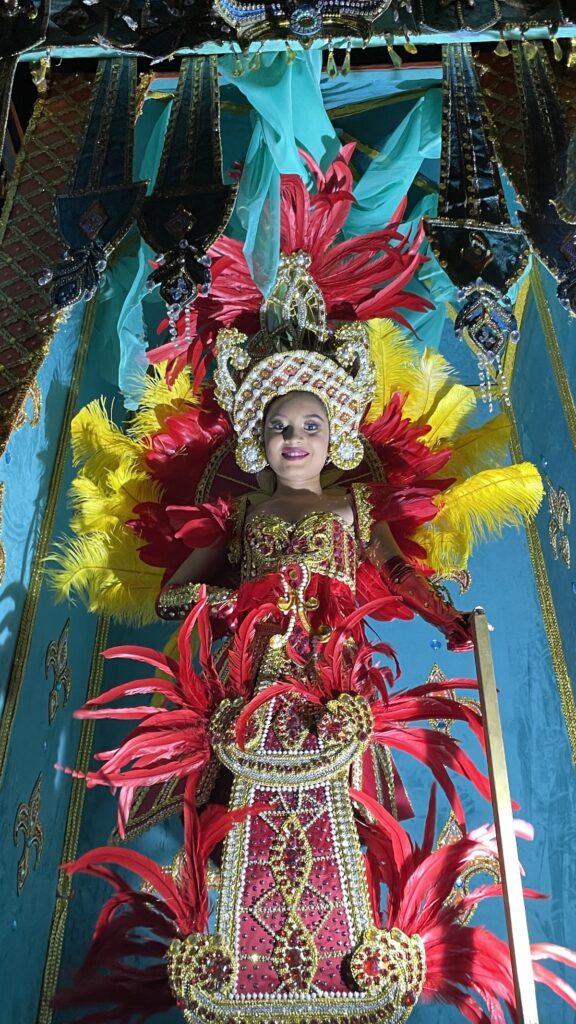
You can go during the day to enjoy the water fights (culecos) or at night to see the floats and artists. The culecos or mojaderas take place from 10:00 AM to 4:00 PM, after which everyone is asked to leave the park so it can be cleaned for the evening celebration. Water trucks spray visitors to help them cool off from the heat. You can see the floats of the queens of Calle Arriba and Calle Abajo parading through Pedasi Park.
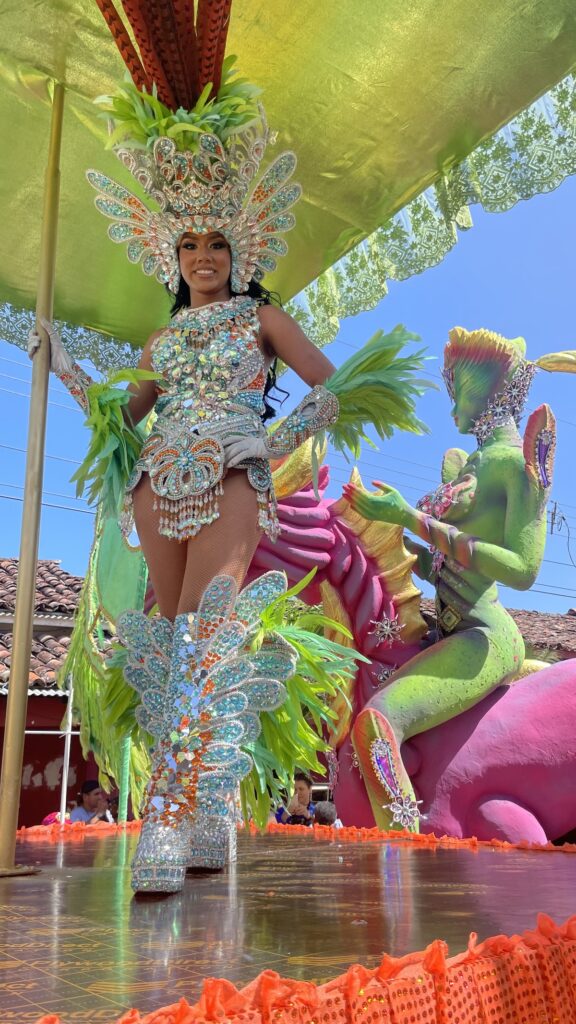
Children are welcome at the Pedasi Carnival, and they're often seen spraying people with water guns. In 2024, I went to the water fights at the Pedasi Carnival on the first day, a Saturday, which is usually quite empty. I didn't go on the other days because I was pregnant with Dylan.

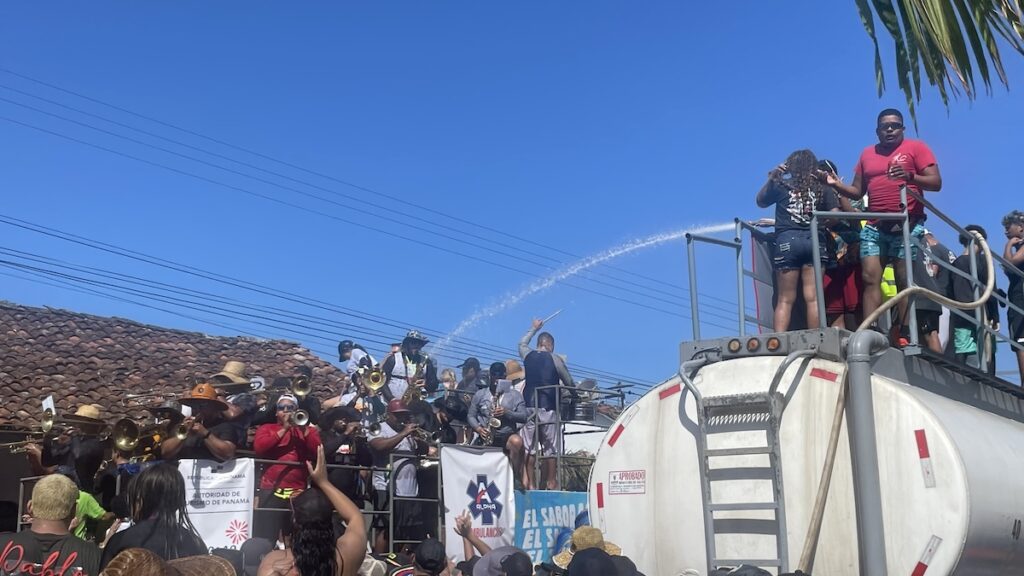
After the water fights, people take the opportunity to sleep, shower, and have dinner. Unfortunately, the nighttime parades of the Pedasi Carnival start very late, around 10 p.m., so this part of the celebration isn't very family-friendly. When I first started going to Pedasi, the floats left earlier, but every year they get later. This is due to the disorganization of the participating groups. I think the Municipality and the Panama Tourism Authority should talk to the groups so they can organize themselves better. If you visit Pedasi during Carnival, be prepared to see lots of fireworks.
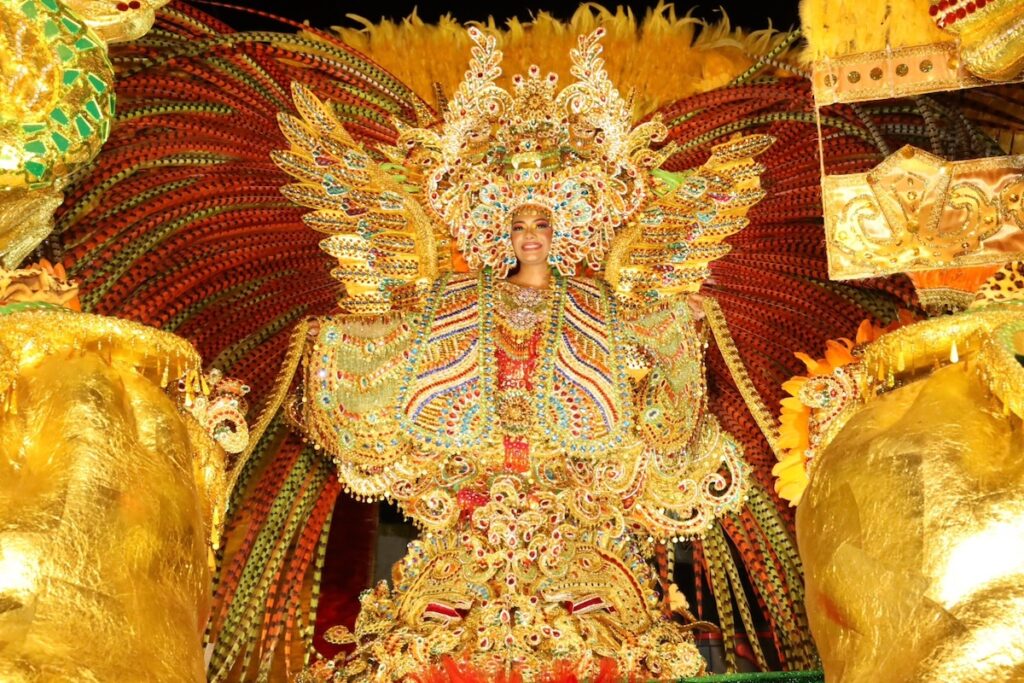
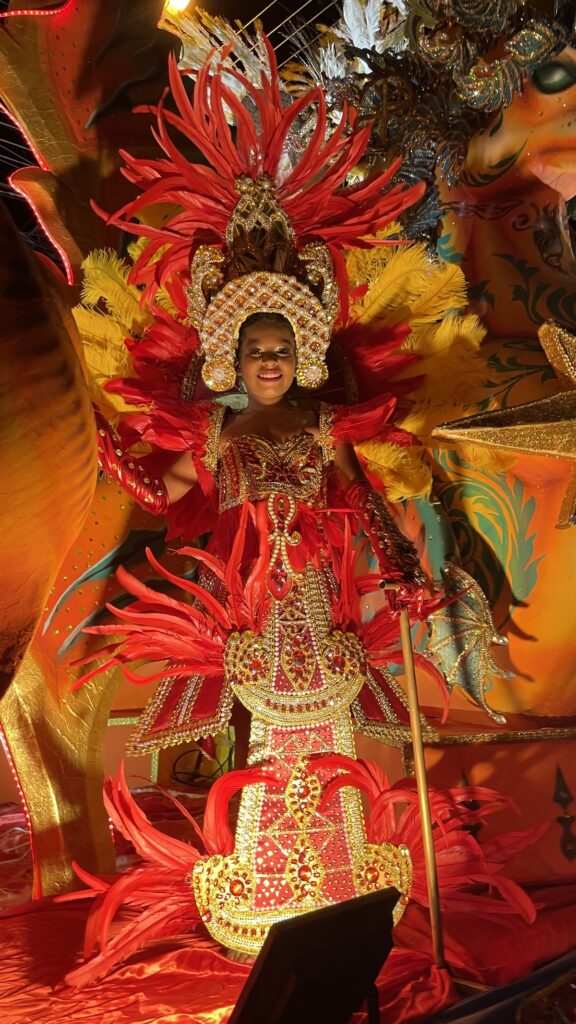
The Pedasi Carnival begins on Friday with the farewell to the previous year's queens. There are usually very few visitors that day, as most arrive on Saturday. The Carnival days are Saturday, Sunday, Monday, and Tuesday. The queens parade, followed by their "tuna," a group of people who march behind the singer, who can be an individual or a musical group. These queens stay up late on Tuesday night, when they return for the traditional "topon," a symbolic rivalry that closes the Carnival on Ash Wednesday. After Carnival, Lent begins, culminating in Holy Week.
What to do in Pedasi, Playa Venao and Cañas?
You don't have to spend all four days of Carnival partying. There are plenty of other things to do in Pedasí, Playa Venao, and Cañas. In 2026, I decided to skip the Pedasi Carnival and went to Isla Iguana, which was pretty empty, with some friends who were visiting. They also took the opportunity to go fishing in Pedasi. You can go to one of the many beaches in the area, such as Playa El Rincon in Mariabe; Playa Arenal and Playa Toro in Pedasi; Playa Destiladeros and Puerto Escondido; and Playa Venao.
You can also cross over to Isla Cañas or visit a waterfall or river, which still have water at this time of year. Other options include horseback riding in Playa Venao or a horseback ride along the Oria River, taking a surf lesson in Playa Venao, or canopy ziplining in Cañas.
History of the Carnival of Pedasi
The inhabitants of Pedasi trace the origins of their carnival back to 1826, when "the residents took to the streets to enjoy the sound of the drum, accompanied by the voices of the musicians." The musical groups "murgas" that we see today are composed of modern instruments, so they didn't exist back then. The residents would take to the streets as early as 5:00 a.m. on Saturday, singing cheerful tunes.
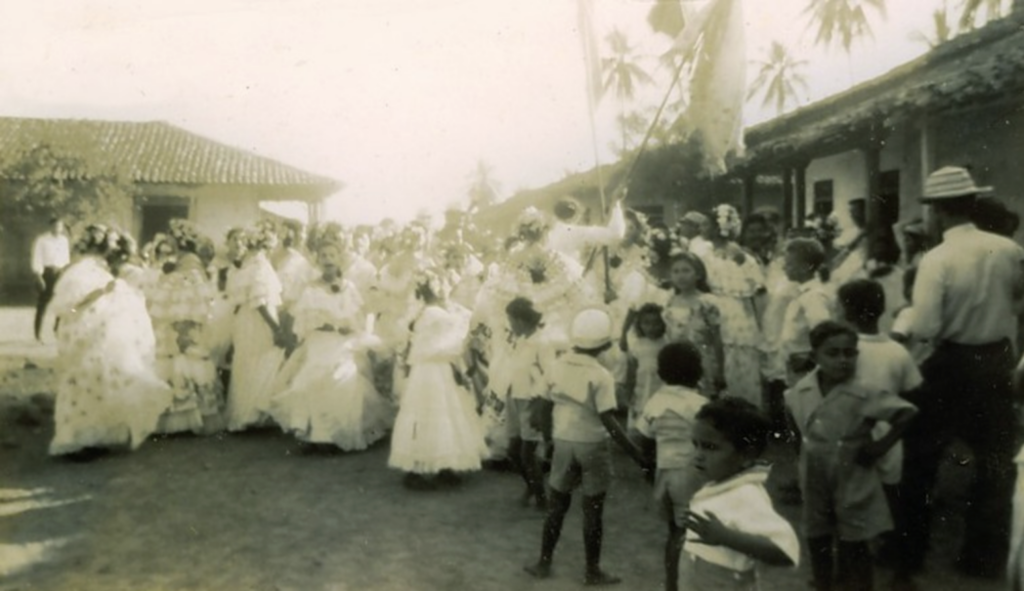
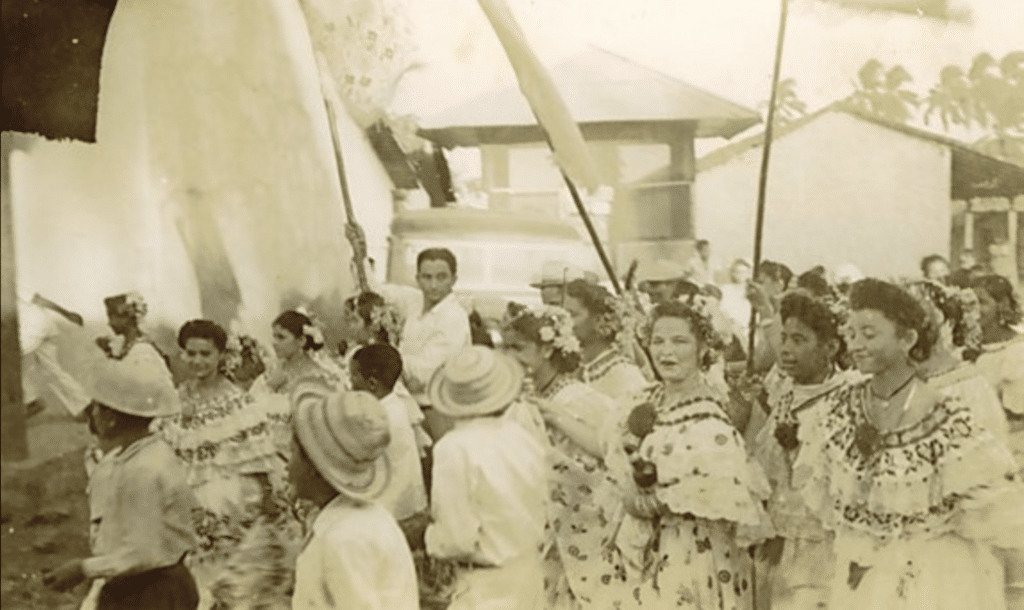
The first carnivals in Panama were celebrated in Pedasi. The capital's carnivals, in the Casco Antiguo, didn't begin until 1910, when Manuela Vallarino was crowned the first queen. People from nearby towns visited Pedasi during the carnival days. Pedasi didn't have a park; instead, there was a central plaza, a large open space. In this space stood a coconut palm, where the carnival groups would arrive on Ash Wednesday. The first group to reach the palm tree won the Pedasi carnival. That palm tree was known as the "Palm of Liberty."
As you can imagine, Pedasi back then was very different from the Pedasi of today, which remains a fairly quiet town. There weren't roads like the ones we have now; it was simply a dirt road traveled by horse-drawn cart.
One of the most anticipated visitors, according to the Calle Abajo de Pedasi website, was Mr. Nemesio Vergara, who brought "fireworks (rockets and candles), confetti, streamers, Florida Water, bubble wands, etc., from Panama." Well, actually, the fireworks came from China by ship, so you can imagine that this gentleman was a big fan of the Pedasi Carnival. The town even had a little song for the occasion: "Nemesio is coming from Panama, what will he bring us, what will he bring us… candles and rockets for the party."
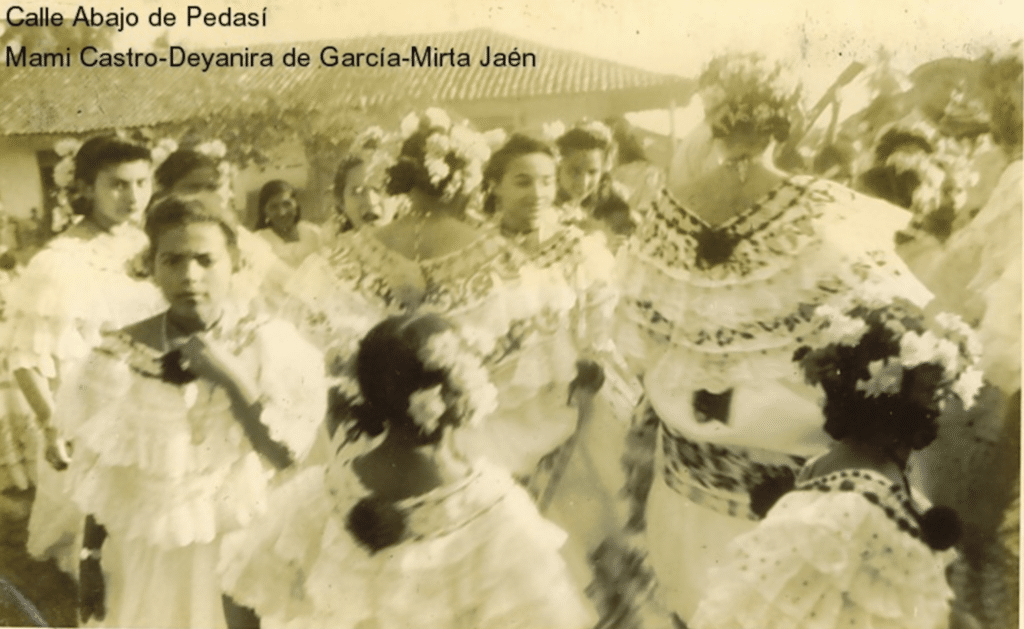
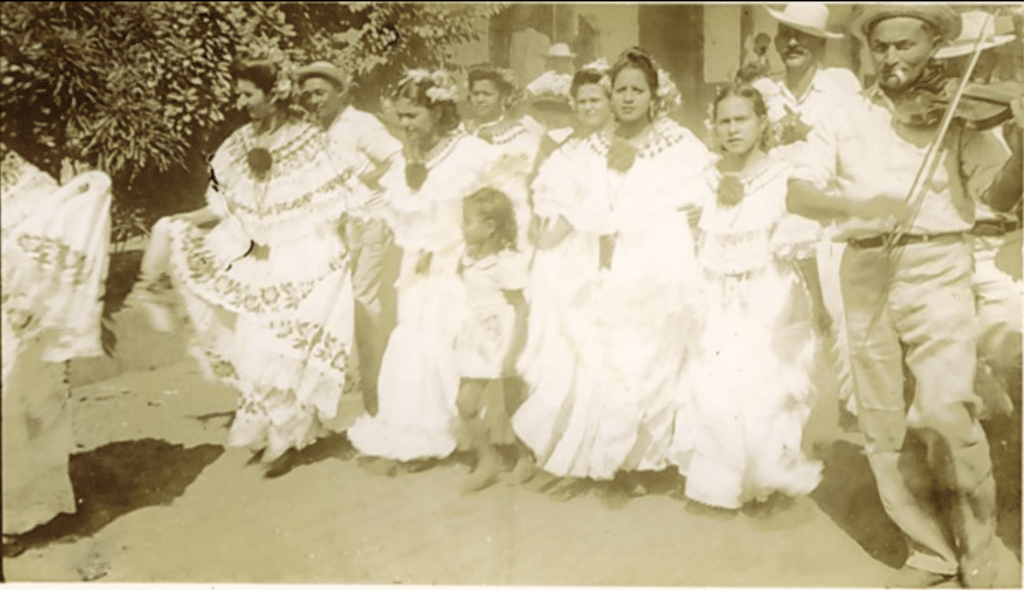
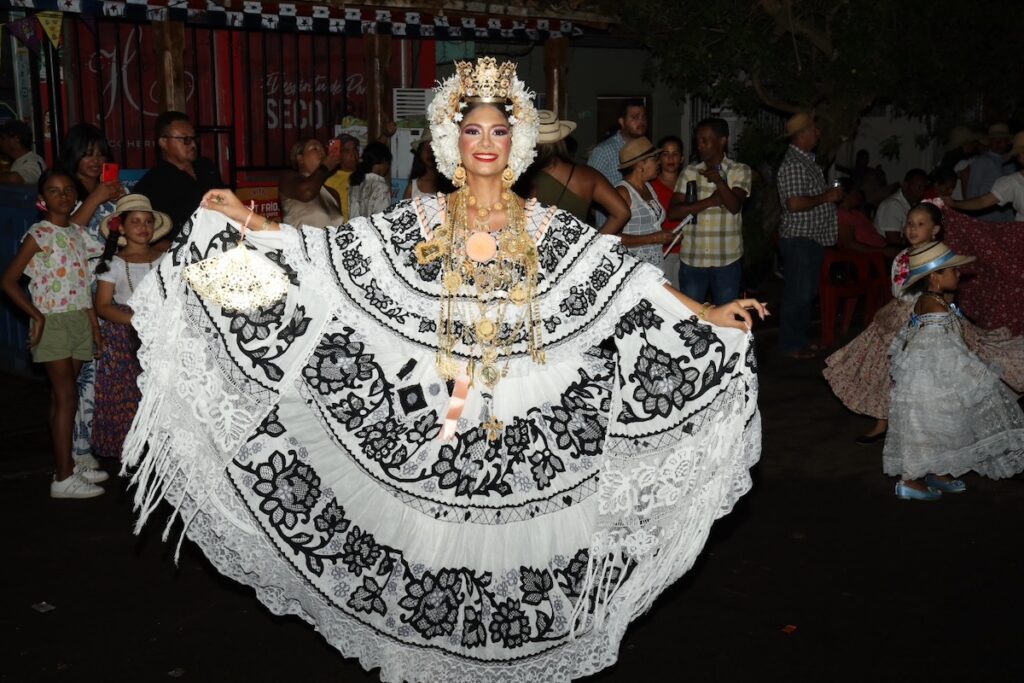
Today, Carnival is still celebrated in Pedasi with the respective queens of Calle Abajo (Lower Street) and Calle Arriba (Upper Street). This queen is accompanied by other beautiful young women who are the Carnival princesses. The floats in the culeco parades date back to 1984, the year the tradition began. That same year, crowns were also placed on the heads of the queens and princesses for the first time. Both the queens and princesses change their skirts and outfits during the four days of the festivities.
Leave a Reply
You must be logged in to post a comment.