
Table of Contents
Those wishing to celebrate Carnival in Panama should book well in advance, as accommodations in the interior of the country fill up quickly. This celebration is more crowded than Holy Week or Independence Day. Panamanians and residents take advantage of these holidays to travel within the country or visit family in the interior. Therefore, it’s important to plan ahead, as there is also traffic congestion during Carnival in Panama.
The dates of Carnival vary each year, as does Holy Week. Easter Sunday is the first Sunday after the first full moon following the spring equinox. Counting back 40 days leads to Ash Wednesday, which is the last day of Carnival. The idea is to party before entering Lent, which, without intending to offend anyone, is quite typical of the Catholic religion: sin and confess later.
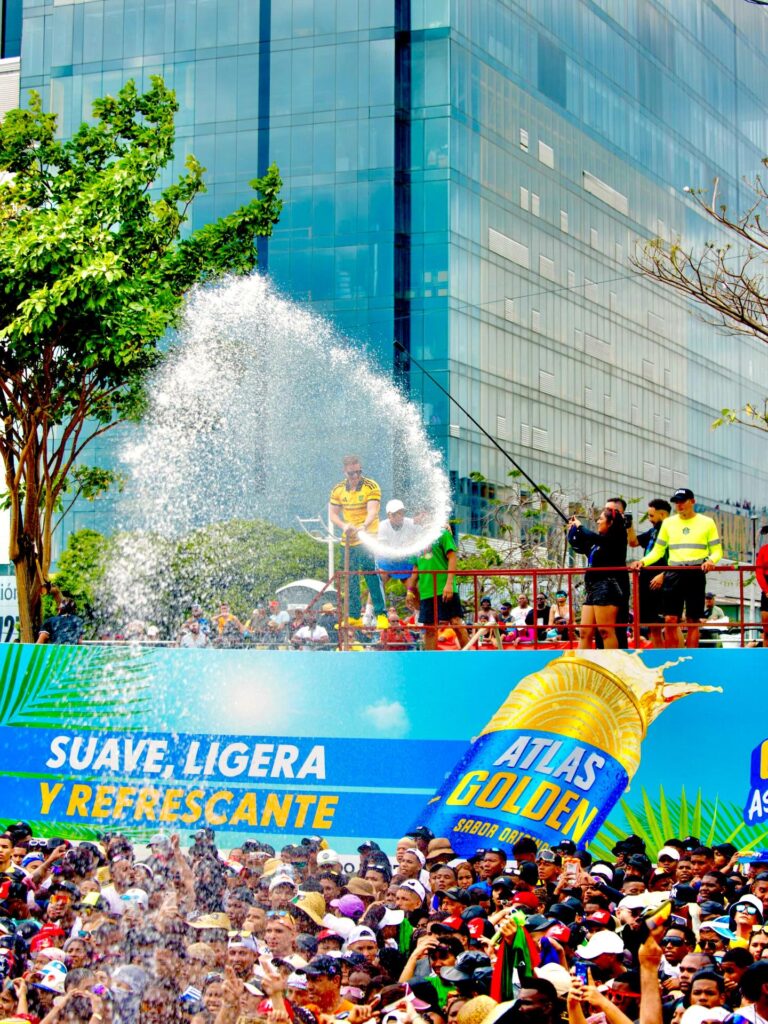
Carnival in Panama begins on Friday with the farewell to the previous year’s queens. Saturday, Sunday, Monday, and Tuesday follow a similar schedule. In the mornings, there are water showers (culecos) that last until the afternoon, usually from 10 a.m. to 4 p.m. These showers, or “mojadera,” are carried out by water trucks that spray people in the park. They are accompanied by music, and there are stalls selling food and drinks. Afterward, everyone goes home or to their hotels to shower, rest, and have dinner before the evening festivities, which begin around 10 p.m.
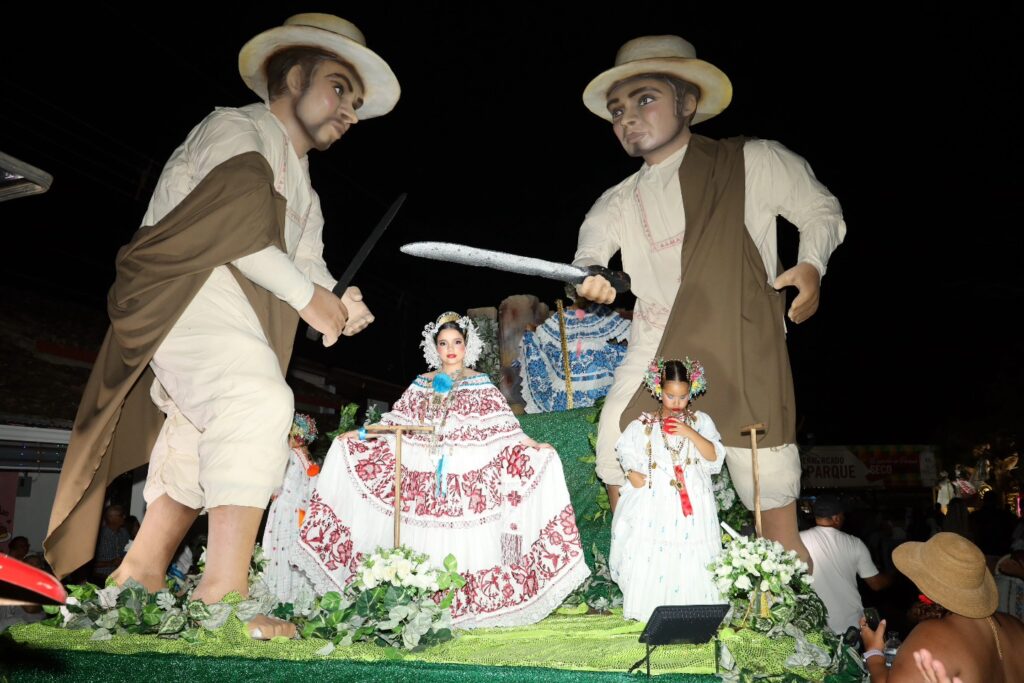
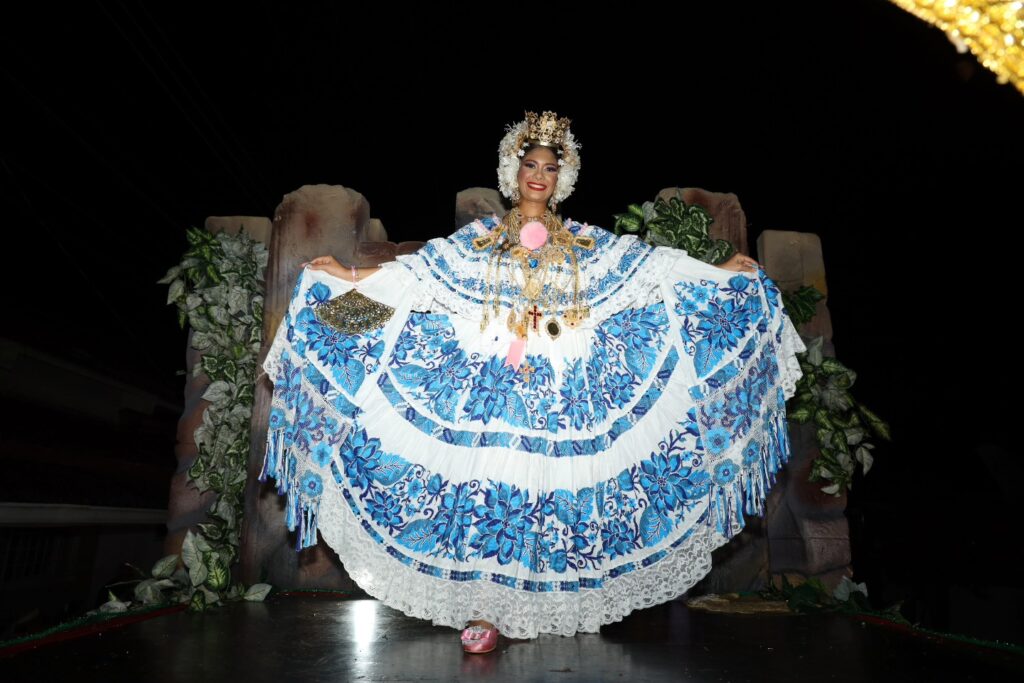
Most people who celebrate Carnival in Panama return to the capital city on Monday or Tuesday, as Wednesday is a workday. After Carnival, Lent begins, starting on Ash Wednesday. Panama celebrates a tradition that originated with the Spanish: the “Burial of the Sardine.” This act symbolically buries the past, allowing for a powerful rebirth. In Panama City, the Carnival queens make a weeping appearance and bury a sardine, which is represented by a person. Meanwhile, in Las Tablas, the famous “Topón” takes place, where groups from Calle Arriba (Upper Street) and Calle Abajo (Lower Street) compete by setting off fireworks, with the public voting for the winner.
No matter where you decide to celebrate Carnival in Panama, it’s an intense celebration. Some people party for four days straight, while others choose to go for a day or two and spend the rest of the time at the beach, pool, or river, enjoying the Panamanian summer.
Where to celebrate Carnival in Panama?
There are many places in Panama that celebrate Carnival. Not every town has this celebration. In the Azuero region, Carnival is celebrated in Pedasi, Chitre, Las Tablas, Parita, Tonosi, and Ocu. Penonome and Aguadulce in Cocle, and Panama City, are other places to celebrate. Smaller towns like Anton, or places like 24 de Diciembre and Chorrera, also celebrate Carnival in Panama. The Caribbean coast of Panama has its own celebration, which is very different from the rest of the country, as it includes the devils.
Pedasi
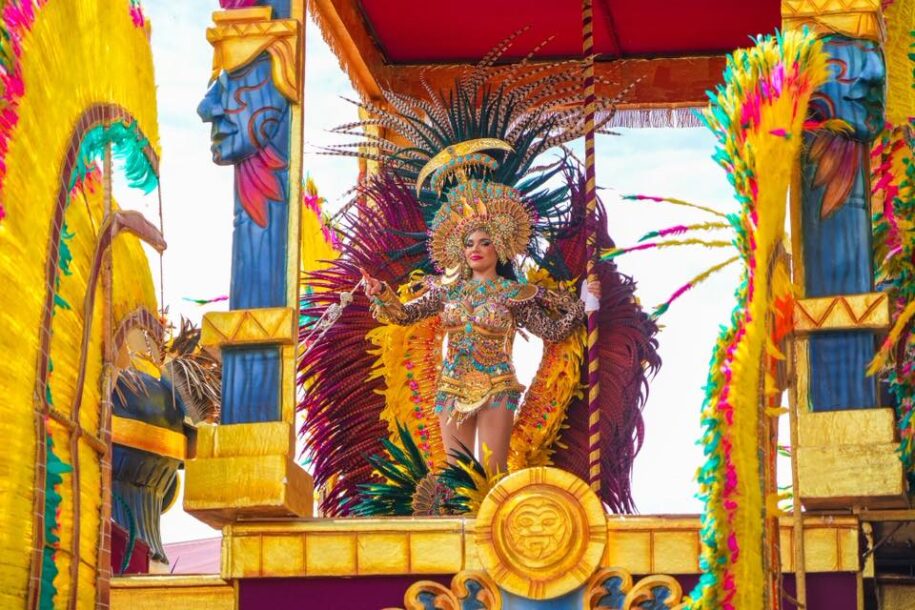
First on our list of places to celebrate Carnival in Panama is Pedasi, which is where we find ourselves. Carnival in Pedasi is more relaxed than in other places. This event has a family-friendly atmosphere, and it’s possible to take children to the water showers (culecos) that take place from 10 a.m. to 4 p.m., after which everyone must leave the park so they can clean up. Water trucks help cool you down from the heat, while visitors enjoy the music and the queens’ floats.
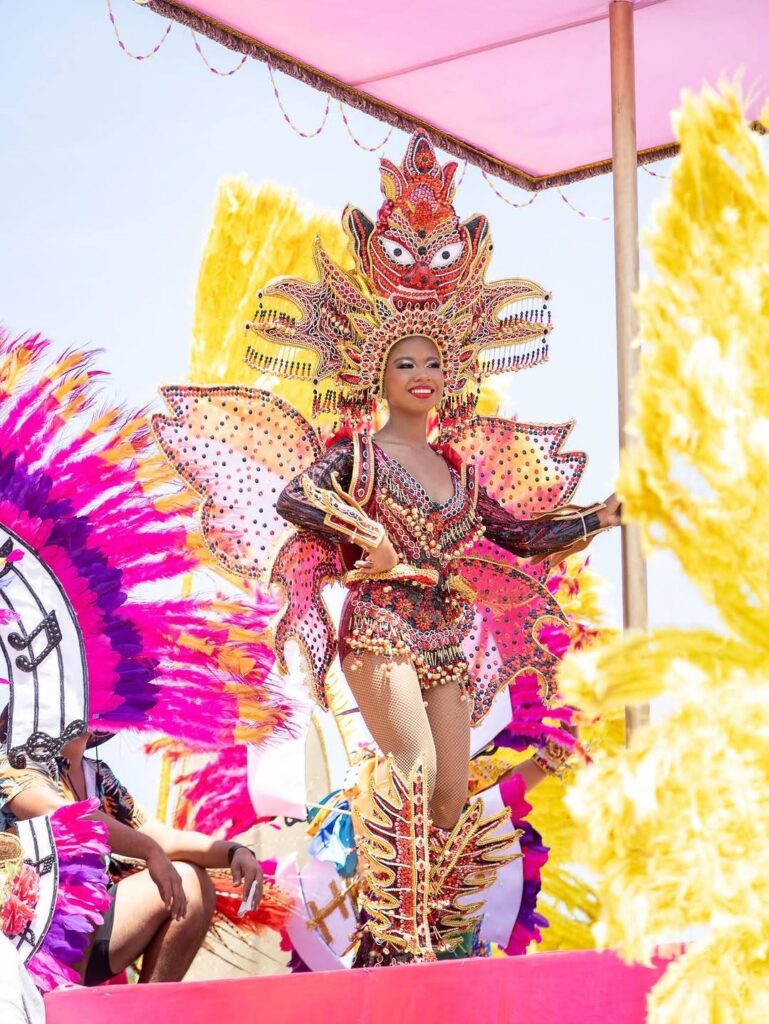
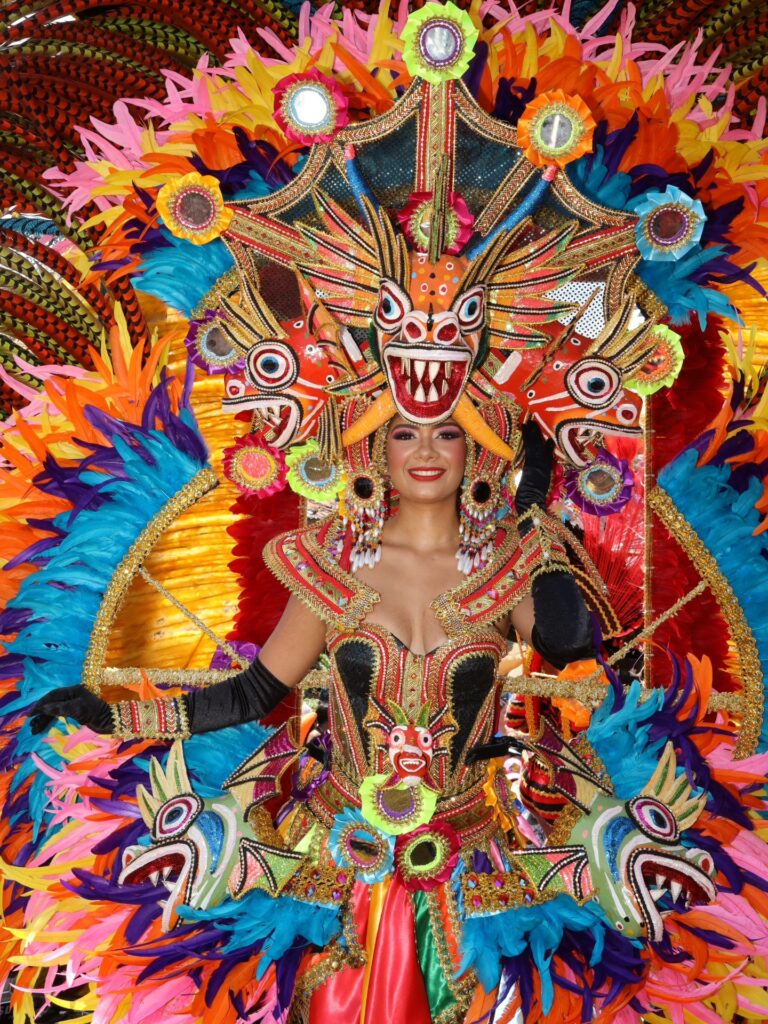
Unfortunately, the queens often start their parades through the town’s main streets late in the evening. So, the little ones might not be able to stay awake. Adults can enjoy the floats, fireworks, and dance area with live music. Celebrating Carnival in Panama means staying up until the wee hours of the morning for the traditional “topon” (a celebratory dance).
Las Tablas
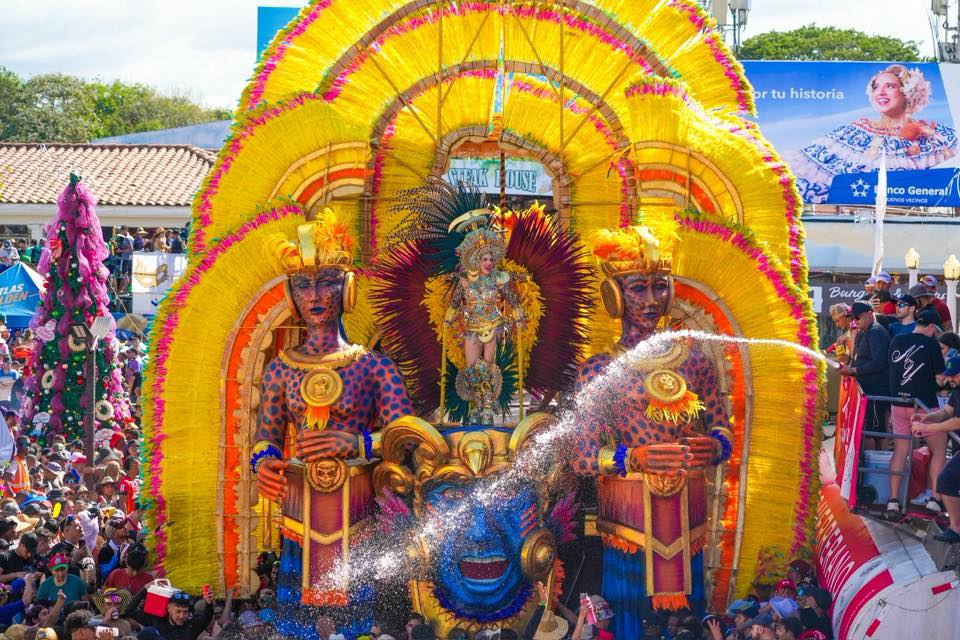
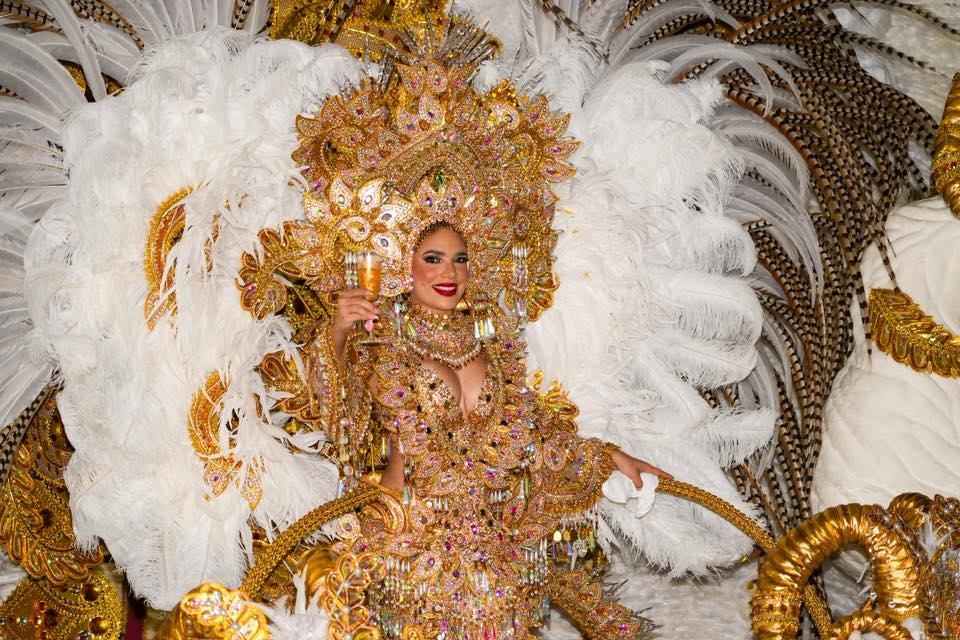
Las Tablas is the most intense place to celebrate Carnival in Panama. Those who grew up going to these carnivals are used to their pace, but it’s definitely not a place for beginners or people who can’t handle crowds. A carnival in Las Tablas means four days of non-stop partying. I only went to this carnival once, when it was during election season and Martinelli was running for president. Luckily, we had a VIP area, which made the experience more comfortable.
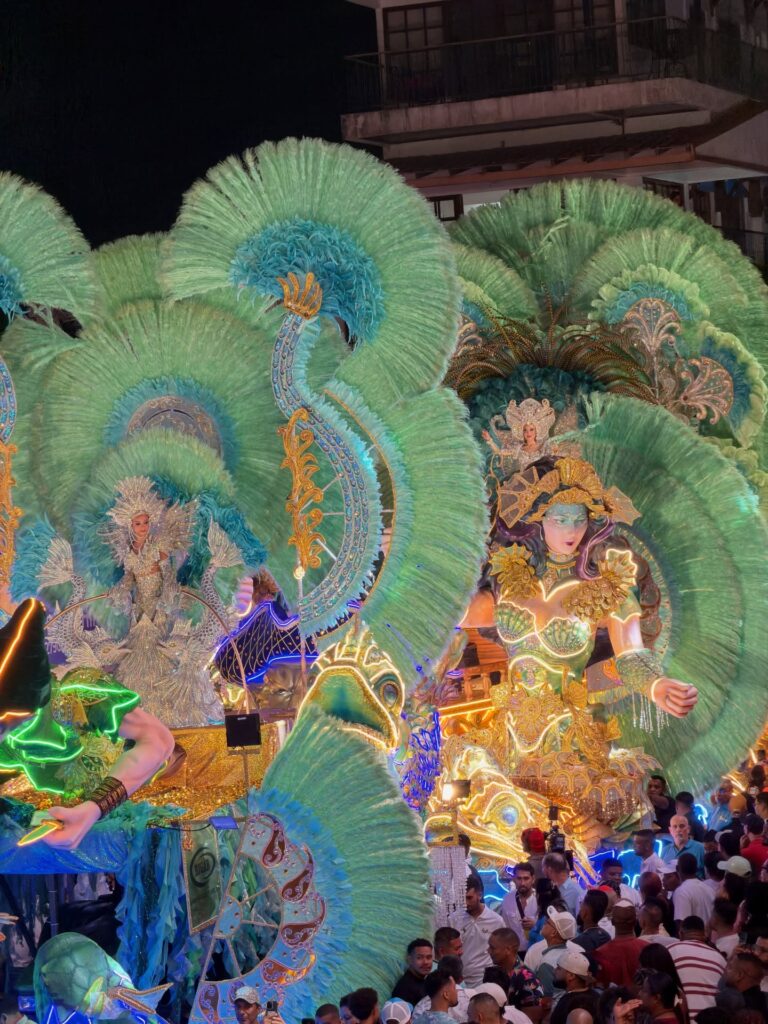
The carnival celebration in Las Tablas is over 200 years old and has both pagan and religious origins. The people of Las Tablas were (and still are) very religious. There were two distinct communities: one celebrated the Day of the Holy Cross on May 3rd, and the other the Feast of Saint Librada on July 20th. Both groups engaged in playful, poetic rivalries with musical groups called “tunas,” and geographically, the town was divided into upper and lower streets. From this division emerged the “Tuna de Calle Arriba” (Upper Street) and “Tuna de Calle Abajo” (Lower Street).
Chitre
Chitre is another place on our list of where to celebrate Carnival in Panama. This Panamanian Carnival isn’t as old as the one in Las Tablas, which dates back to 1950, but it has been around for decades. These Chitre Carnival celebrations have grown in popularity, with their own unique identity and charm. I only went once, and I liked how the park was larger; it didn’t feel so crowded.
A special feature of the Chitre Carnival is the famous “pechugon,” which marks the start of the festivities on Friday night. Water trucks position themselves near the San Juan Bautista Cathedral and Union Park to create the massive nighttime water fight that takes place after the crowning of the queens at midnight. The queens of the Chitre Carnival have a friendly rivalry as they parade in spectacular costumes on their elaborate floats. They are accompanied by musical groups and bands that keep the region’s musical culture alive.
Ocu
Ocu is another, quieter option for celebrating Carnival in Panama. This town is located in Herrera, on the Azuero Peninsula, but you have to take a different entrance from the Pan-American Highway or cross the road that passes through Las Minas to get there. The problem with Carnival in Ocu is finding accommodation, as it’s not a tourist destination, so it can be difficult if you don’t have family or friends to stay with.
Unlike other Carnival celebrations in Panama, Ocu’s Carnival has three different groups: Calle Abajo (Lower Street), Calle Arriba (Upper Street), and Calle Centro (Central Street). Each group has its own queen or princess who is accompanied by their dance troupe. Visitors can see the floats and enjoy the music, which includes Ocu-style cumbia and the characteristic tamborito. The epicenter of the Ocu Carnival is San Sebastian Park.
Penonome
Aside from Las Tablas, Penonome is the other most popular carnival in Panama. When I was in high school and college, I went to Penonome every year to celebrate. Penonome’s is the only water carnival in Panama. This tradition dates back to 1940. Visitors can see the traditional raft parade, which takes place at the well-known Las Mendozas beach resort. Usually, about seven groups participate in this carnival, which is held in the morning. Similarly, the water fights (culecos) take place from 10 a.m. to 3 or 6 p.m. on Penonome’s main avenue.
Photos of Penonome’s Water Carnival
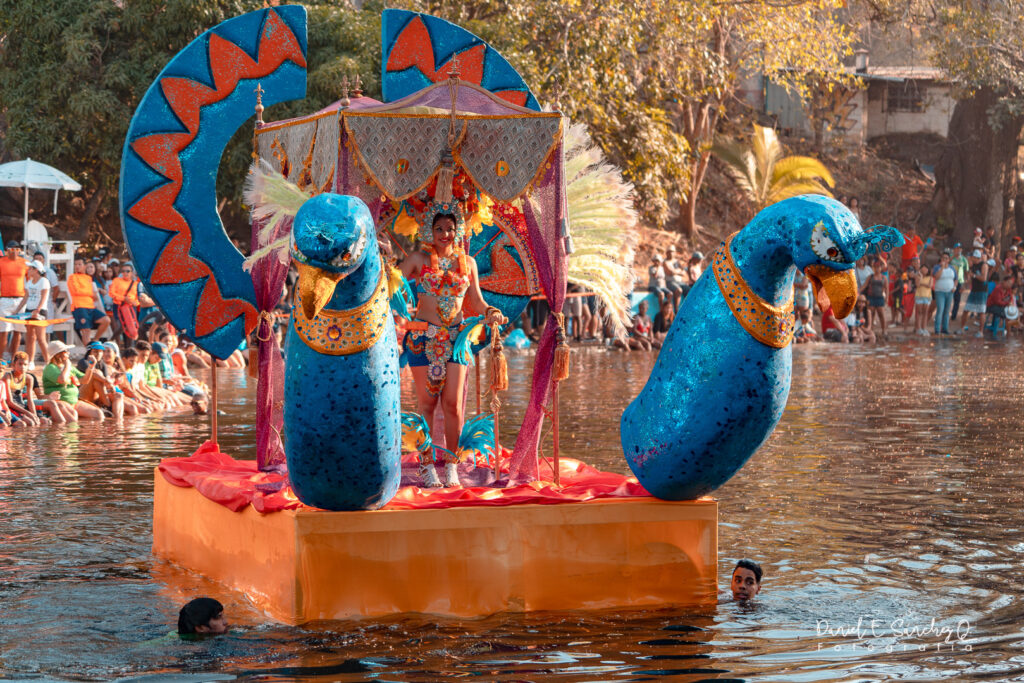
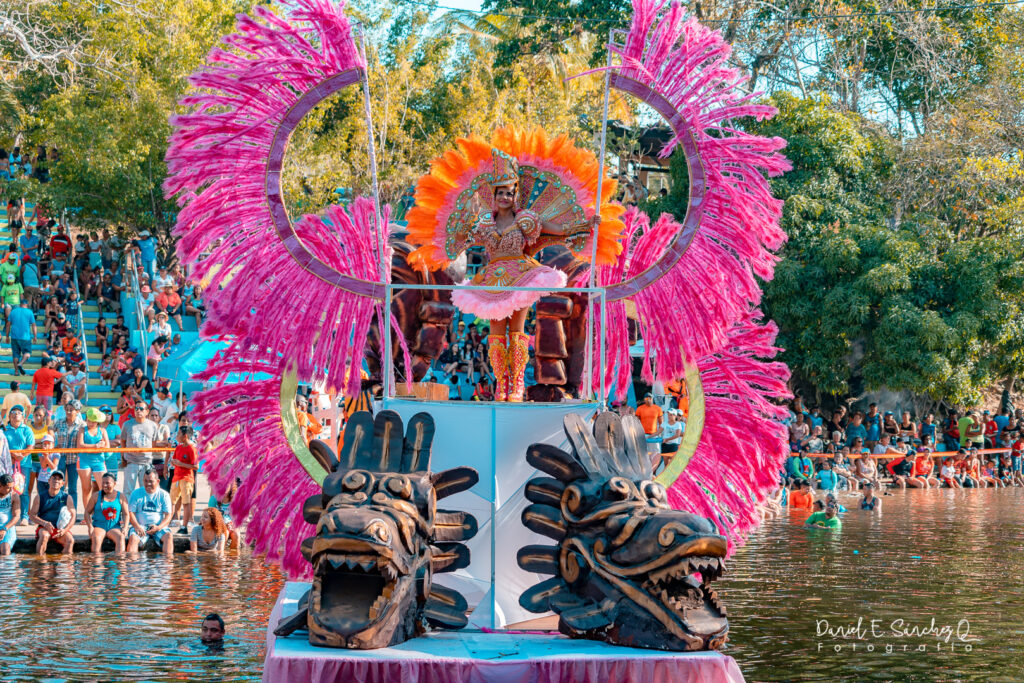
The route runs from Avenida Juan Demostenes Arosemena (Avenida Central) at the Fort to Parque 8 de Diciembre, along Calle 15 de Diciembre (also known as Calle Cincuentenario), through the Manguito area, and to the Las Mendozas swimming area. The nighttime parade usually starts around 8:30 p.m. and lasts until 10:30 p.m. There is always a top-notch lineup of national and international musicians performing on stage.
Panama City
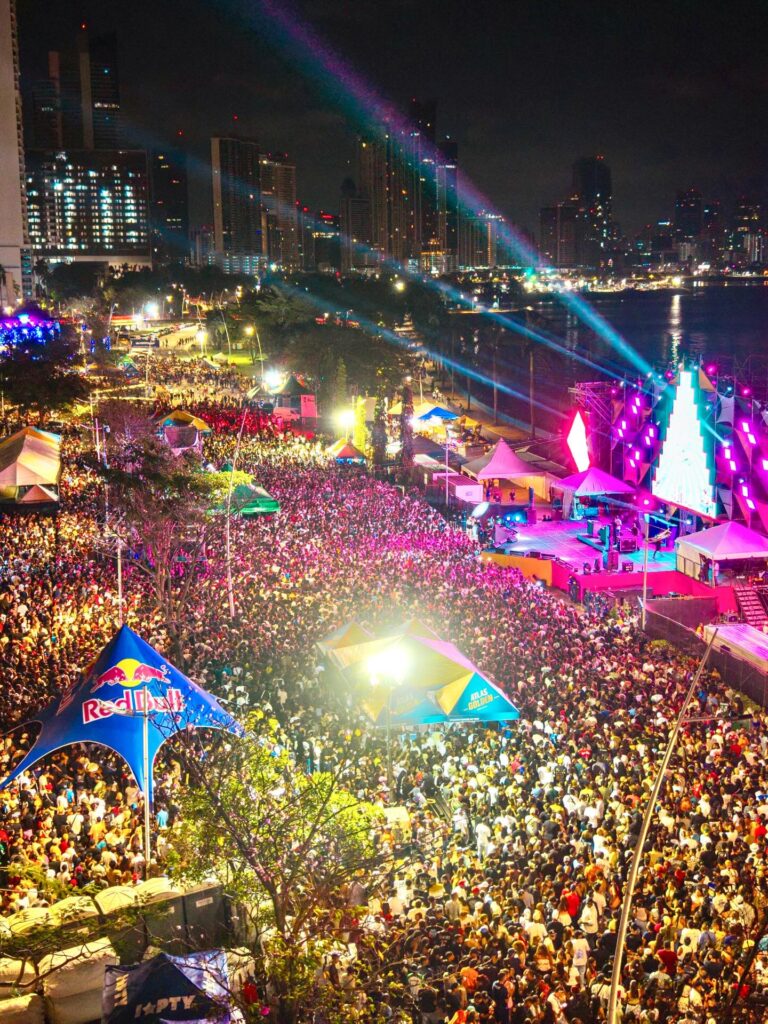
Those who can’t travel to the interior can celebrate Carnival in Panama City. Carnival in Panama City is different from in smaller towns where everything happens in the town squares. The coastal strip is the main venue for these celebrations, which previously took place on Vía España and in Casco Viejo Panama’s Old Quarter. The Panama City government is responsible for managing Carnival, unlike in other places where it’s a community-run event. The last edition, in 2026, was called the “Festival Carnavalístico”, an invention of the mayor at the time.
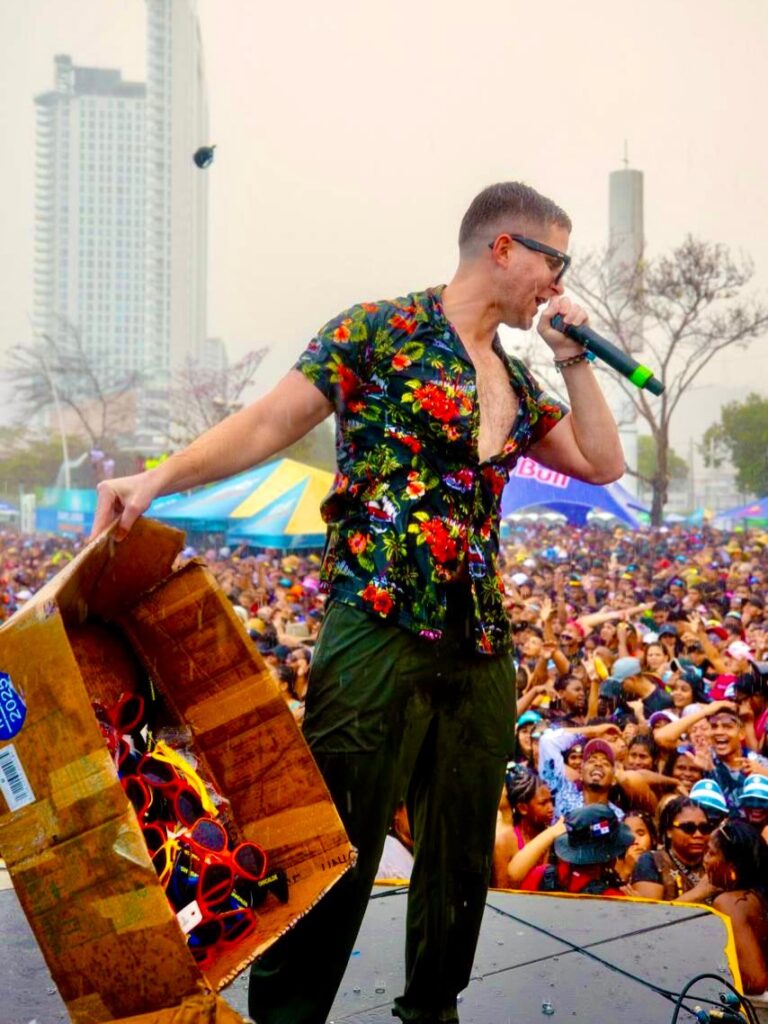
Unlike in other countries such as Brazil or Trinidad and Tobago, Panama City’s carnival isn’t a major tourist attraction. The idea is for Panama City’s carnival to one day become a tourist destination. Like other carnivals, there are water showers (culecos) during the day. In addition, there are three stages: a children’s stage with performances for kids, a salsa stage, and the main stage with a diverse lineup of artists.
Bocas del Toro
Bocas del Toro is a very different place to celebrate Carnival in Panama. The first thing you’ll notice are the devils in the streets. But you have to be careful, as they have whips and can hurt you. These devils usually dance and ask for money. They can also be seen in Portobelo during this time.
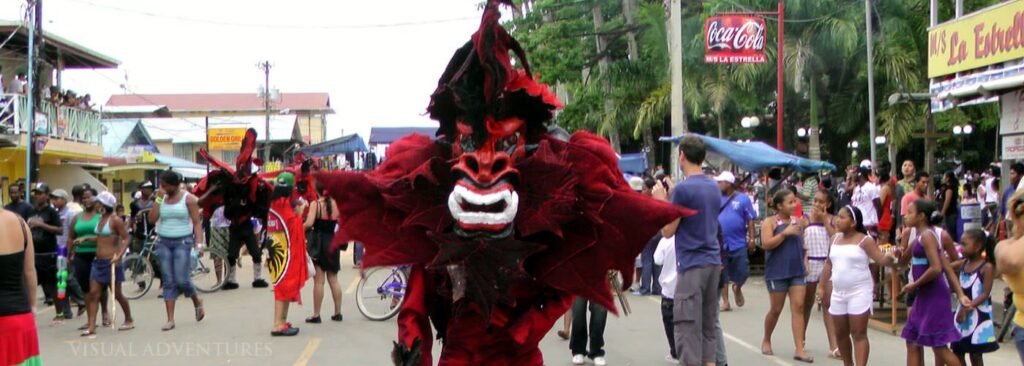
Carnival in Bocas del Toro doesn’t have queens like in other places, but it does feature parades, stages with artists, dance areas, water showers, and activities for children and adults. Many people who visit Bocas del Toro during Carnival go to relax on its idyllic beaches.
Where would you like to celebrate Carnival in Panama?

Leave a Reply
You must be logged in to post a comment.